


Fuel contamination in commercial operations.
Fuel contamination is not just an inconvenience for commercial operations. In bulk storage tanks, generators and fleet fuelling systems, contamination can lead to blocked filters, equipment downtime and costly repairs.
Understanding the different types of fuel contamination is the first step towards preventing system damage and protecting your fuel investment.
In commercial environments, fuel often sits in storage for extended periods. That increases the risk of degradation, water ingress and microbial growth. Identifying contamination early allows you to take corrective action before it affects performance.
Why fuel contamination is increasing in modern diesel
Modern diesel formulations have changed significantly over the past decade. Increased biodiesel (FAME) content and reduced sulphur levels have environmental benefits, but they also make fuel more sensitive to water and microbial growth.
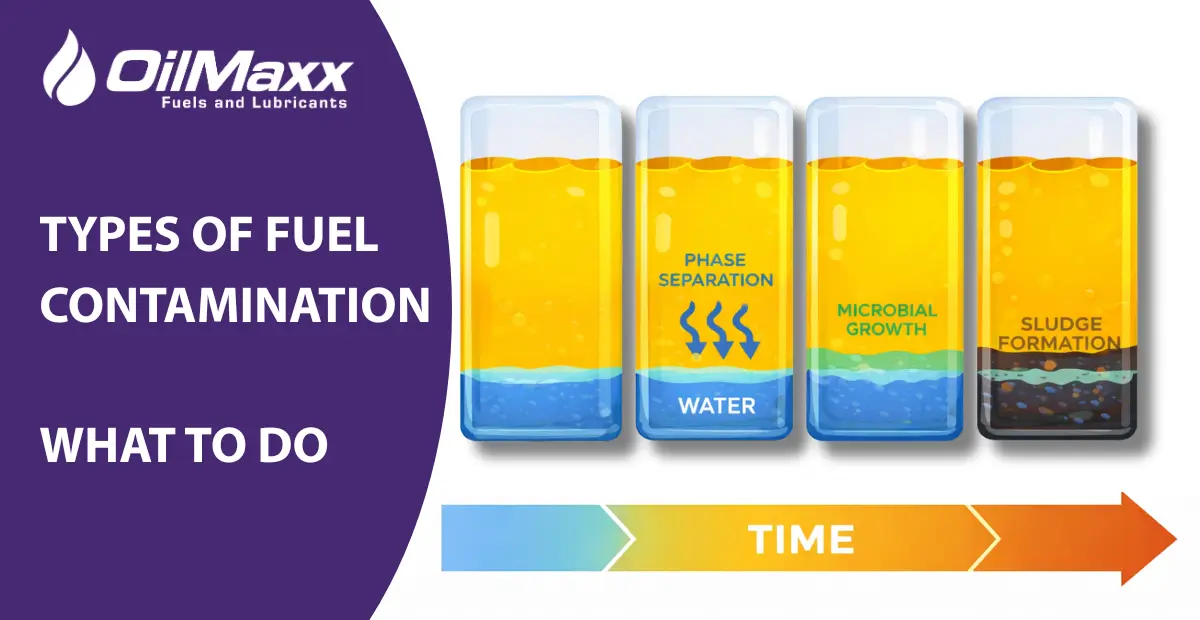
FAME absorbs more water than traditional diesel. When water is present in a storage tank, it creates the ideal environment for bacteria and fungi to grow. Over time, this can result in sludge formation, corrosion and filter blockages.
For commercial fuel users, this means contamination management should be part of routine maintenance, not a reactive fix.
The main types of fuel contamination in commercial tanks
Solid contamination
Solid contaminants include dust, dirt, rust particles and other debris that enter tanks during delivery or through tank vents and seals.
These particles can cause abrasion within pumps and injectors, accelerating wear and reducing system efficiency. In high-pressure fuel systems, even small particulates can have a significant impact.
Asphaltene formation
Asphaltenes are hard, insoluble particles formed through oxidation and temperature fluctuation. They are typically microscopic but can combine into larger deposits.
In storage tanks, they often settle at the bottom and appear as dark sludge. If drawn into the fuel system, they can block filters and restrict fuel flow.
Microbial contamination (diesel bug)
Microbial growth occurs when bacteria, moulds and yeasts develop at the interface between fuel and water.
These organisms feed on components within the fuel and produce acidic by-products and sludge. Over time, microbial contamination can corrode steel tanks, degrade fuel quality and cause repeated filter blockages.
In commercial settings where fuel turnover is slow, microbial contamination is one of the most common causes of system disruption.
Water contamination
Water can enter storage tanks through condensation, leaking seals, damaged vents or delivery processes.
There are three main forms of water contamination:
Free water – Water that separates from the fuel and collects at the bottom of the tank.
Emulsified water – Small water droplets suspended within the fuel, often giving it a cloudy appearance.
Dissolved water – Water absorbed into the fuel at a molecular level, typically not visible but still contributing to instability.
While dissolved water may not immediately cause visible issues, free and emulsified water significantly increase the risk of corrosion and microbial growth.
Warning signs of fuel contamination
Commercial operators should monitor for:
- Blocked or frequently changing fuel filters
- Cloudy or darkened fuel
- Sludge accumulation at the bottom of tanks
- Corrosion within storage systems
- Unexpected generator or equipment faults
Early detection reduces the likelihood of unplanned downtime.
Preventing fuel contamination in commercial operations
Fuel contamination can rarely be eliminated entirely, but it can be managed.
Preventative measures include:
- Regular fuel sampling and testing
- Routine tank inspections
- Water removal and drainage
- Appropriate filtration systems
- Use of preventative fuel additives where required
For businesses relying on generators, plant machinery or fleet vehicles, incorporating fuel management into planned maintenance schedules helps reduce long-term risk.
If you suspect your fuel is contaminated, speak to your local OilMaxx depot for guidance on testing, treatment and preventative solutions.