


Supplier Of Quality Home Heating Oil Tanks
We offer a range of high-quality Bunded Heating Oil Tanks from two premium, handpicked suppliers: Harlequin and Titan. When you purchase from us, your tank is in safe hands, as our experts will advise you on the best way to maintain it and discuss replacement parts if needed.
They will then help organise a time and date for your tank to be filled up with heating oil.
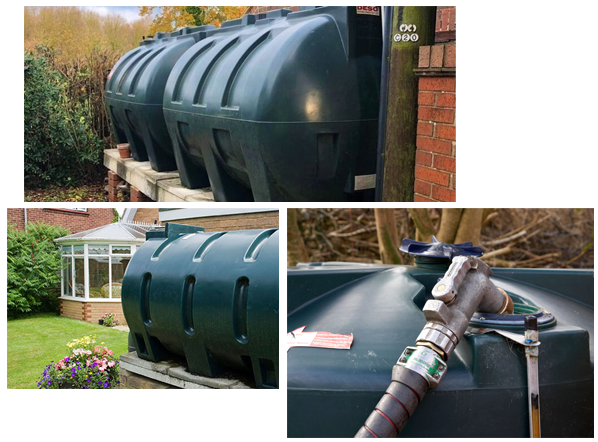
Wide Range Of Tanks Available
We offer a wide range of tanks available to suit every home’s needs and budget. Order your tank with OilMaxx, and our sales team will recommend a local and qualified engineer to come out and install your new tank, allowing you to focus on more important things.
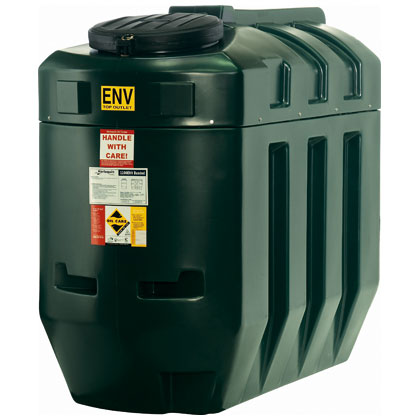
500 - 1499 Litre Tanks
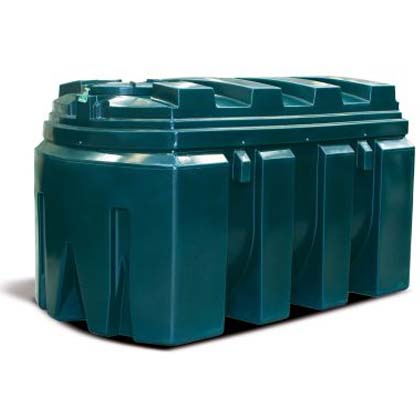
1500 - 1999 Litre Tanks
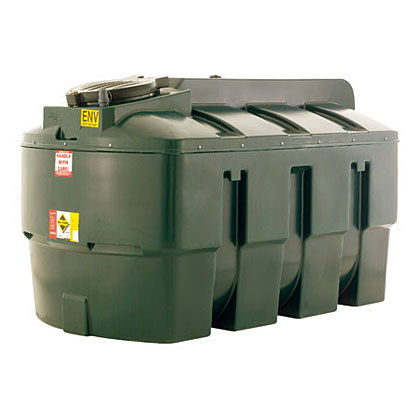
2000+ Litre Tanks
Types Of Tanks
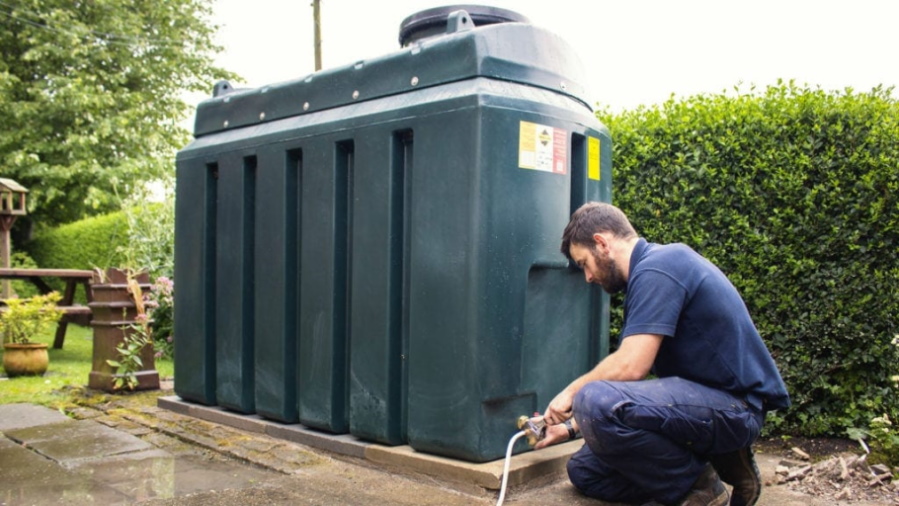
- Single-skinned tanks utilise a single-layer construction. While the benefit of this tank type is its low price point, single-skinned oil tanks have some significant drawbacks. The singular layer makes them more prone to damage, leading to various issues and a short lifespan. Crucially, single-skinned tanks have a higher risk of oil leaks than other types of oil tanks.
- Double-skinned tanks offer an extra layer of protection, making them a more secure option than skinned tanks. They often consist of a plastic inner tank and steel outer walls. However, double-skinned tanks may not always be suitable for premises requiring bunded tanks. That’s because the outer tank does not always contain 110% of the inner tank’s capacity.
- Integrally bunded tanks are an industry-leading tank option with a crucial benefit. They include a secondary containment system and an added safety feature. This internal ‘bund’, or tank within a tank, holds the oil, while the outer tank provides an extra layer of protection. This type of tank construction helps prevent oil leaks and spills. You can choose plastic bunded oil tanks, steel bunded oil tanks, and steel/plastic hybrid tanks.
- Underground oil tanks allow you to store your oil underground. They are less prone to leaks than their aboveground alternatives, which is a key benefit. People often consider an underground tank to better protect their oil from theft and save space. However, installing one can be complicated, and it may be necessary to obtain planning permission.
Are You Looking For A New Tank?
If you are in need of a new heating oil tank, we are pleased to offer a comprehensive selection of options to meet your requirements. Our inventory includes a variety of bunded oil storage tanks and single-skin domestic oil tanks sourced from reputable manufacturers in the UK.
We provide nationwide delivery of our heating oil tanks and offer tailored solutions, ensuring that you find the most suitable tank for your needs.
From the initial consultation, our knowledgeable sales team will assist you in exploring your options to identify the best tank for your situation. Subsequently, our reliable delivery drivers will ensure that your tank is filled with heating oil promptly and efficiently.


Heating Oil Monitoring
The smart tank telemetry allows OilMaxx to connect you and your home as if you were on the main supply. We use a non-intrusive monitor to monitor your heating oil levels accurately.
This allows the OilMaxx team to monitor your heating oil levels remotely, and when your fuel levels reach 30%, they will place an order on your behalf to fill your tank. This means you will never run out of fuel again and allows you to never worry about fuel levels again.
Our Smart Tank service is used in conjunction with our Budget Payment Plan to make your life hassle-free!
Heating Oil Tanks
Tank Installations
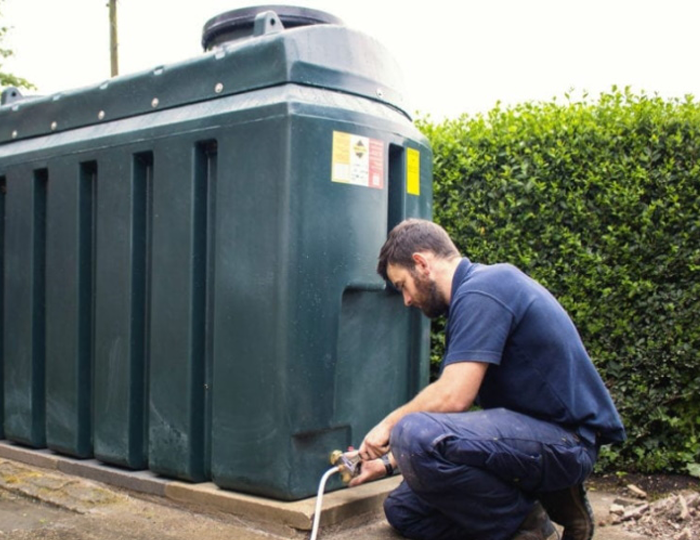
We can provide you with local tank installers/ engineers in your area.
Recommended engineers will conduct a free, no-obligation site survey and quotation covering the following:
- Existing fuel either recovered or pumped out and disposed of with Waste Carriers License
- Existing ground-works carried out with required remediation/removal
- New tank base installation
- Tank installation and associated pipework installed to legal specifications
- Filtration of the existing product to remove any contaminants
- Filtered Fuel transfer to newly installed tank
- Co-ordinated tanker delivery of fresh fuel same day as the install
- Tank installation signed off in accordance with OFTEC regulations
- 10 Year Manufacturer’s Guarantee for tank
Tank Removals
Recommended engineers are trained in the removal and disposal of your old plastic and steel tanks, to prevent any issues which may arise from fuel degradation or contamination.
Whether the tank removal is required as part of a new installation or a one off job, the old tank and residue will be safely removed and disposed of via one of our SEPA approved tank disposal partners.
Be assured our recommended engineers have a Waste Transfer License to carry out this in accordance with local regulations.
Tank Equipment Fitting & Upgrades
All tank accessories including fuel gauges, oil monitors, dispensers, pumps etc as well as pipework can be fitted to your tank as part of our varied services.
You may require this to upgrade or replace old or faulty equipment or even to install new accessories.
10 Year Guarantee
Our Harlequin Heating Oil Tanks come with a 10-year manufacturer’s guarantee. Our engineers are OFTEC approved and can perform annual, interim, or ad-hoc maintenance on your tank as and when required.
Tanks should always be inspected every 12 months at a minimum.
Maintenance
Recommended engineers are OFTEC approved and can perform annual, interim or ad-hoc maintenance on your tank as and when required.
Tanks should always be inspected at least every 12 months.
You may require this to retain tank manufacturer guarantees or simply to ensure your tank is kept in the best condition possible.
Tank Cleaning
We can also recommend a local company that can provide a tank cleaning service.
This may be required due to tank contamination, such as debris, fuel degradation or water ingress or as part of tank maintenance.
The product will be transferred into a fit-for-purpose receptacle, allowing the tank to be dissembled and thoroughly cleaned before it is filtered and pumped back into the tank.
Water Removal
Water buildup is natural and caused by condensation in both plastic and metal tanks. It can also be exacerbated by loose fittings and even tank lids being left off, which, again, is one of the worst things that can get into your oil tank and system.
Water is heavier than fuel and non-miscible, so it collects at the bottom of the tank and can freeze in the winter, jeopardising the fuel supply and cutting your heating system off.
Also, if the water levels rise up the outlet pipe, it may be fed through the oil lines, causing the pump to prematurely wear and stopping the boiler from firing.
We recommend removing any water before it reaches this stage, as repairs can be costly, and no one wants the system to shut down in the winter when most required.
Recommended engineers are experts in water removal and will perform a test using water-finding paste.
Once the water level has been identified, a process will be selected to remove the water from the tank.
A retest will be run to ensure all water has been removed successfully.
Emergency Call Outs
Emergency Call-outs are often required when tanks or pipework have burst, cracked, or are leaking.
We recommend you contact a local engineer who will assess the situation and discuss the best course of action.
In many cases, the oil will be pumped into a temporary fuel tank to keep the boiler running and allow time for a more permanent solution to be put in place.
Handy Tank Tips
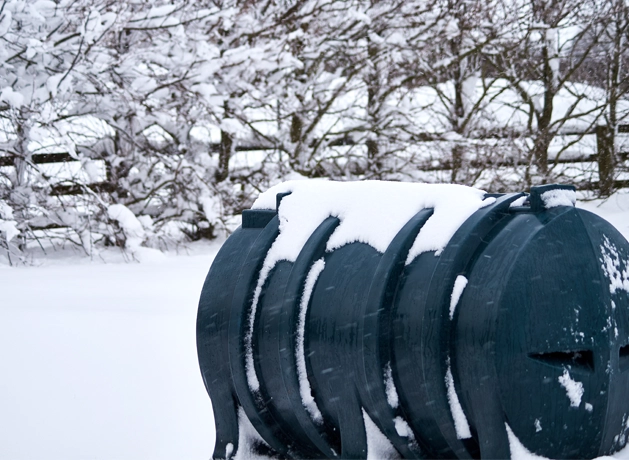
These five Heating Oil Tank Inspection Tips will allow you to keep an eye on the standard of your oil tank and alert you if you need an oil tank replacement.
1. Look for signs of damage
2. Look for any debris in the bund
3. Check access points are secure
4. Check for stains
5. Check pipework

Look for any signs of cracking, bursting, splitting or damage on your oil tank.
One of the most important steps you can take to maintain your oil tank is to check regularly for any signs of damage and deal with them as early as possible.
It must be replaced immediately if you notice a crack, burst or split in your oil tank (even if it is only on the outer-bund). Contacting a qualified OFTEC heating engineer quickly is essential to avoid fuel contamination and leaking.
Stretch marks, bulging, discolouration, rust, and weeping are signs that your oil tank is likely to crack and is due for replacement. Watch for these signs to avoid a crack and a costly leak.

Look For Any Debris In The External Bund.
The outer-bund of your oil tank is for external protection and should be free from water, garden waste, rubbish or oil. Make sure you remove all debris from the outer bund regularly. This should be a dry and empty space to offer the best protection.

Check Access Points Are Secure.
Make sure all access points such as air vents and gauges are in place and secure. This will offer protection against rainwater, dirt and insects and prevent fuel contamination and damage.

Check for stains.
Look for any signs of oil stains in the area surrounding your oil tank, these include a visible stain or dampness. If oil leaks on a grassy area it will seep into the groundwater below and cause environmental damage, this is extremely dangerous and expensive to remedy.

Check Pipework.
Inspect the external pipework regularly for signs of weeping, perishing, and corrosion. Pay close attention to connection points where drips and leaks are more likely. This will prevent an oil spill and help you identify any leaks quickly.
Why Choose OilMaxx For Home Heating?

Competitive Pricing

Payment Options
We understand everyone’s living situation is different; that is why we offer other payment options for our high-quality heating oil.

Friendly Local Drivers
Our professional drivers are dedicated to providing a fast and reliable service throughout the UK.

Here To Help
We don’t have large call centres, just a friendly voice with local knowledge at the end of the phone. Need a quote or advice? Contact your local depot and we’ll help.
Frequently Asked Questions About Heating Oil Tanks
Reasons Why I Need To Replace My Tank
There are several reasons why you might need a new tank:
- Oil seepage – When heating oil is found outside the tank, or you detect an odour, there is a breach. While heating oil can only ignite if it’s atomised, it will seep into the ground and harm the environment
- Water inside the tank – Oil and water will remain separated, so you can often see when water is inside the tank. Water indicates that condensation can get into your tank via a breach.
- Breaches in plumbing connections – Check near joints and seams for breaches. Plumbing leaks can often be repaired without total system replacement.
- Physical damage – Damages or dents on the tank’s exterior can happen from weather, lawn maintenance or vehicle collisions
- Mechanical breakdowns – While oil tanks are relatively simple and require low maintenance, the thermostat, pump and other working parts are susceptible to wear and tear.
Routine inspections should help you avoid surprises and inform you when to replace your oil tank.
When is the best time to install a new tank?
Spring and Summer are the best time to install a new oil tank. You may need to turn off the heat for over six hours during the installation. This process is not ideal for cold temperatures since your house could be heat-free throughout the entire oil tank replacement.
If your heating oil tank must be replaced in winter, you must prepare other heating methods for your home in advance. We recommend you invest in an electric heater or run the heating system at a higher temperature for several hours before starting the oil tank replacement. These precautions can reduce the risk of frozen water pipes and make the experience more comfortable.
Can I remove my heating oil tank?
The answer to this question is no; you can’t, and please do not attempt to do so. An old oil storage tank must be removed and disposed of according to existing Building Regulations.
An OFTEC-registered engineer will perform an assessment to decommission, remove and dispose of the old oil tank to identify any fire or environmental risks associated with the process.
Usually, an old oil storage tank is removed to make way for a new heating oil tank, and the same engineers will usually install the new tank as part of the contract. They will also be able to advise you which type of oil tank will be most suitable for your property, such as a plastic or metal tank, bunded (double-skinned) or single-skinned, and where it should be following OFTEC’s regulations.
Can I Install my heating oil tank?
Yes, you can install your heating oil. However, we don’t recommend it as it should be done professionally. Self-installation can increase your risk of oil leaks and spills from complications.
Removing an old heating oil tank and installing a new tank must comply with building regulations, OFTEC’s guidelines and oil storage regulations. Once you have agreed on the cost, the engineers will:
- Pump out any oil remaining in the old tank to a safe holding tank
- The old tank will be disconnected from your boiler and other appliances and safely removed. Often, old oil tanks will be recycled according to best practices and environmental codes.
- Your old oil tank feed pipeline will be pressure tested to ensure it can be reused. If it can’t, the engineers will replace the pipeline.
- Once the oil tank has been removed, you will be able to see if the base is of sufficient standard to take the new tank. If not, you may also find that you must reinforce the old base.
- The new heating oil tank will be installed and connected to the oil feed pipeline
- Your remaining oil will then be pumped out of the holding tank and into your newly installed oil tank
- All the oil pipes, appliances and boiler will be bled, i.e., ensuring there are no air bubbles trapped, and then tested before opening the tank’s valve and allowing the oil to flow through
- The engineer will ignite the boiler and check that all your oil-fired appliances are working correctly
Once you and the engineer are happy with the installation, you will receive an OFTEC CD10 completion report. The tank will be registered with OFTEC, sending you a Certificate of Conformity.
Do I Need a “Bunded” Tank?
Yes, bunded tanks are a legal requirement for all new domestic, commercial, and agriculture tank installations.
This means if you are due an upgrade or replacement, your new tank must be bunded to comply with local and national regulations.
The new requirement was put in place because Bunded Tanks offer more environmental protection than single-skins (tanks without a bund) and are by far the safest way to store fuel.
What Is a Bunded Tank?
Bunded tanks have an ‘outer-bund’, so they have two ‘skins’. A Bunded tank is essentially a tank within a tank. The oil is held in the inner tank or ‘skin’ and the outer-skin is a secondary tank that offers protection. This bund must be able to take the contents of the inner tank plus 10 % so in other words 110% of the tanks capacity in order to comply.
What Are The Benefits of Bunded Tanks?
Bunded tanks offer added protection against contamination, leakages, and oil replacement, making them the safest way to store fuel. If the inner-skin cracks, the bund will retain the fuel and it can be reused, preventing environmental damage to the surrounding area. This extra protection could save you from incurring a costly fine in the event of a leak.
You often get more guarantees and perks with a bunded tank, such as longer manufacturer warranties that can last up to 10 years, as long as installed by an OFTEC-accredited engineer.
Overall, they are a much safer and popular option for domestic heating oil users. Our tanks have 10 Year Manufacturers’ Guarantees and British Kitemark Approval for ultimate peace of mind.
Which oil tank should you buy?
With so many heating oil tanks available, choosing the right one can get a little confusing. You may be looking at installing a new heating system or simply need a tank replacement, whatever your needs, we can help you choose the right tank for you! These are some key things to consider such as size, material, and types to help you come to a decision.
Size – Domestic heating oil tanks range from 650L-2500L and choosing which size is best for you will depend on tank location and the amount of oil you use. If you have a lot of space and purchase a larger tank, you will be able to buy more heating oil and get cheaper rates. It might be profitable to get the biggest size you can buy, as this will save you money on fuel.
But if you have several bedrooms, a large family, or simply go through a lot of oil, it also makes sense to buy as big as you can. A larger tank and the ability to store more fuel will save you time between deliveries.
Types – You may have heard of ‘bunded’ tanks. Bunded tanks have an outer-bund, which protects the inside skin that holds the fuel and are now a legal requirement for new domestic, commercial, and agricultural installations.
This means that if the inner-bund ruptures or cracks, your fuel will collect in the outer-bund, preventing an oil spillage. The outer-bund also protects the tank from exposure and damage done by environmental factors such as UV light or frost. Bunded tanks can help you avoid costly leaks, fuel replacement, tank replacement, or environmental damage.
This is why you must buy a bunded tank if you require an upgrade or replacement, as they offer a lot more protection and longevity than single-skin tanks (which are tanks without a bund).
Material – Tanks are normally made from plastic, which comes with its advantages.
Bunded plastic tanks are the most popular option for domestic heating oil tanks as they are light, easy to move and will safeguard any leaks.
Steel tanks are prone to leakages, are very heavy, and require yearly applications of oil-resistant coating to be maintained.
This is why a lot of domestic users prefer plastic tanks to store their fuel.
Tank Base – You must have a non-combustible base for your tank, which can be made from preferably concrete, or alternatively slabs.
The base must extend 300mm more than the footprint of the tank, which may influence your choice of tank due to space and location issues.
To prevent oil spillages, it must be suitable for the weight of the tank and level-standing.
If you do not have a suitable tank base, your tank will not be supported properly and be prone to leakages, which could leave you with a costly bill for environmental damage.
When you have considered each of these factors and decided which heating oil tank is best for you, we will provide an OFTEC-qualified heating engineer to install your brand new tank!
How Do I Prevent Oil Theft?
Heating oil theft is extremely costly and makes you question the safety of your home. Thieves are attracted to the remote location of many heating oil tanks and can steal thousands of pounds worth of oil quickly and discreetly.
Although most cases of theft occur in winter, it is important to be vigilant year-round as it is believed many crimes go unreported due to lack of evidence.
You might have suspicions of thievery, but without a monitor or alarm, it can be difficult to pinpoint how much oil has been stolen and you may question your own judgement.
Protect your home from heating oil theft by following the below.
- Install an Heating Oil Tank Alarm
- Install CCTV
- Get Security Lighting
- Put gravel around your tank
- Keep your tank hidden
- Lock it up.
How much will a heating oil tank replacement cost?
Heating Oil Tanks start from about £1,000 in the UK.
We know a Heating Oil Tank is a big purchase, which is why we can also provide a fully qualified and insured OFTEC Heating Engineer for all your tank services, 10 Year Manufacturer’s Guarantees and Ofcert Accreditation for peace of mind.
How to keep your tank in good condition
Keeping your tank in good condition can increase its lifespan by 5 to 10 years!
For peace of mind, make sure you are getting annual maintenance checks from an OFTEC-qualified Heating Engineer. This will help you catch problems early, which will likely save you money.
You can read our 5 Heating Oil Inspection Tips for more information on how to carry out basic tank maintenance between annual inspections yourself.
What is the lifespan of a heating oil tank?
The good news is that a Heating Oil Tank is designed to have a good, long life. Heating Oil tanks should definitely last more than 10 years with regular maintenance.
It is not uncommon for Heating Oil tanks to last up to 20 years if they avoid damage or leaks. So, if your tank is under 10 years old and has no signs of damage, then you should be in the clear.
However, if your tank is reaching it’s tenth birthday, it may be worth preparing yourself for a replacement sooner rather than later.
How to find and remove water in your heating oil tank
Water is known for contaminating fuel and wreaking havoc in heating systems. It can destroy and corrode your heating oil tank, fuel lines and filters.
Not only is it corrosive, water also decreases your overall system’s efficiency and attracts bacteria, which becomes sludge that sticks to the bottom of your tank and contaminates your fuel. It can also freeze and stop the oil flow, shutting down your heating system completely.
So, if you suspect water is in your heating oil tank, your very first port of call is to remove it as soon as possible.
Don’t panic though, we are here to talk you through the process of finding and removing water in your heating oil tank.
Get in Touch with OilMaxx Today
Whether you're a business or home heating oil user, you can contact OilMaxx for reliable service and expert assistance. We're here to keep homes warm and businesses running smoothly.

Contact Your Local Depot
Call Our Team Directly
If you need to speak to someone call us on 0330 232 0101, and our dedicated team will be happy to assist you.
Enquire Online Today
Fill out our form today, and we will be in touch as soon as possible.