


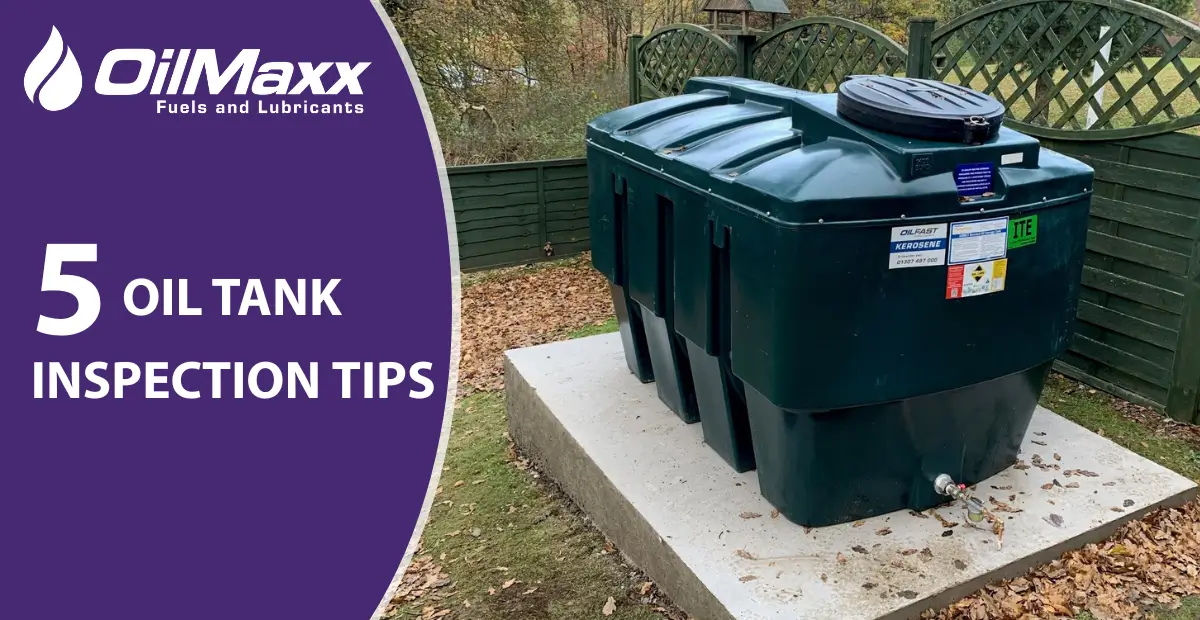
Tank inspection tips to keep your tank safe and efficient all year round
Your oil tank plays a vital role in keeping your home running, so it’s important to keep it in safe, working condition all year round.
While having your tank inspected annually by an OFTEC-qualified engineer is highly recommended, there’s a lot you can do yourself between visits to spot early signs of damage and avoid costly issues.
Regular visual checks only take a few minutes but can help prevent leaks, protect your fuel, and extend the life of your tank.
Here are five simple checks you can carry out yourself:
1. Check for Cracks, Splits, or Surface Damage
Regularly inspect your oil tank for any signs of damage such as cracks, splits, stretching, or bulging. Even if the damage only affects the outer bund, the tank must be replaced immediately to prevent leaks or contamination.
Warning signs include:
- Visible cracks or splits
- Stretch marks or bulging
- Rust, discolouration, or weeping
If you notice any of the above, contact an OFTEC-qualified engineer immediately.
2. Inspect the Outer Bund for Debris
The bund (outer protective layer) of your tank should always be clean and dry. Check regularly for any signs of:
- Water build-up
- Garden waste or leaves
- Rubbish or oil residue
Keeping this area clear ensures the bund can do its job effectively if the inner tank fails.
3. Ensure Access Points Are Secure
Make sure that all access points—such as air vents, caps, and gauges—are secure and properly fitted. This helps prevent contamination from:
- Rainwater
- Dirt and dust
- Insects or pests
A secure tank is less likely to suffer internal damage or fuel degradation.
4. Watch for Oil Stains Around the Tank
Look around the base of your tank for any signs of oil staining, damp patches, or discoloured grass or soil. These may indicate a slow leak or spill, which can pose a serious environmental risk and lead to costly clean-up operations.
Remember: Oil that leaks into the ground can contaminate groundwater.
5. Inspect External Pipework and Connections
Carefully examine all visible pipework connected to your tank. Check for:
- Signs of corrosion or rust
- Cracks or perishing
- Weeping or small leaks, especially around joints
Early detection of pipework issues can prevent fuel loss and minimise repair costs.
Need a New Tank Installation?
If your tank shows signs of wear or needs replacing, it’s important to speak with a professional. Our OFTEC-qualified heating engineers can provide expert advice and install your new oil tank safely and efficiently. Find out more on our website.
Contact your local depot to book your tank inspection today or give us a call at 03302 320 101